
Phoenix Roofing & Chimney logo
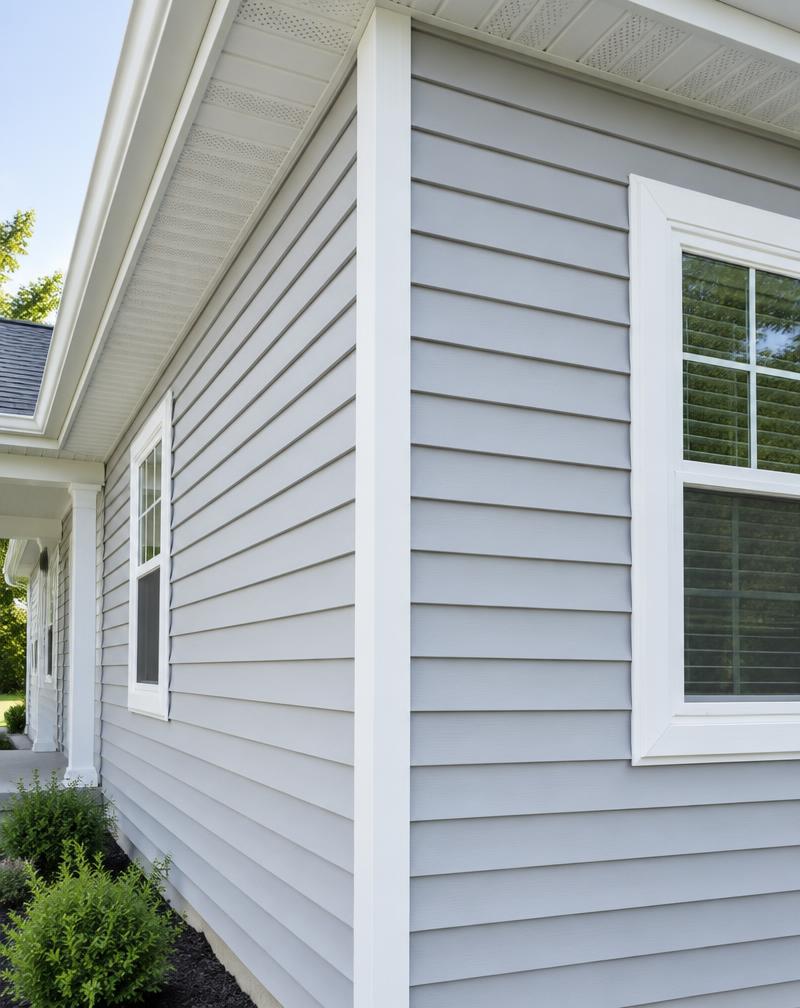
Light gray horizontal vinyl siding with white trim on a home
Siding

Siding

Siding protects the structure behind it and sets the whole look of the house. We replace failing siding with materials that hold color, resist impact and seal out water.

Signs You Need This
  • Cracked, warped or loose panels
  • Fading, chalking or peeling finish
  • Soft spots or rot behind the siding
  • Rising heating and cooling bills
What's Included
  • Tear-off and substrate inspection
  • House wrap and moisture detailing
  • Vinyl, fiber cement and specialty siding
  • Trim, soffit and fascia finishing
Homeowner's Guide

Making an Informed Siding Decision

Practical information about the condition, the work, and what to expect at your New Jersey home.

Call (201) 249-2388

Understanding Siding

Siding protects the structure behind it and sets the whole look of the house. We replace failing siding with materials that hold color, resist impact and seal out water. The right next step depends on the age and condition of the surrounding materials, the source of the problem, and how the affected area connects to the rest of the home. Phoenix Roofing & Chimney approaches siding as a diagnosis first. That means listening to what the homeowner has noticed, examining the relevant exterior and interior areas, and documenting conditions before recommending work.

Homeowners often call after seeing one of several warning signs: cracked, warped or loose panels, fading, chalking or peeling finish, soft spots or rot behind the siding, rising heating and cooling bills. These clues deserve attention, but they do not all point to the same solution. Some conditions can be corrected with focused work, while widespread deterioration may make a larger project more practical. The goal of an inspection is to distinguish between those situations and explain the reasoning clearly.

Siding Is Part of the Weather Barrier

Siding defines much of a home's appearance, but its first responsibility is managing weather. The panels or boards shed most rain while house wrap, flashing, tapes, and carefully detailed openings manage water that gets behind the surface. Windows, doors, roof-to-wall intersections, utility penetrations, and lower edges deserve particular attention. Attractive siding installed without those details can conceal moisture damage instead of preventing it.

New Jersey seasons cause exterior materials to expand, contract, and face wind-driven rain, snow, humidity, and strong sun. Installation must allow the selected product to move as intended. Fastening too tightly, leaving incorrect clearances, or relying on caulk where flashing belongs can lead to buckling, open seams, and trapped water. The existing wall should be inspected before it is covered so soft sheathing or damaged trim is not hidden behind a new finish.

Choosing Materials for the Whole House

Material choice involves more than color. Vinyl, fiber cement, and specialty products differ in weight, upkeep, impact resistance, installation details, and the way they meet trim. The best fit depends on the architecture, exposure, budget, maintenance expectations, and condition of the substrate. Samples should be viewed outdoors because daylight and surrounding roof, masonry, and landscape colors change how a finish appears.

A complete scope also considers corners, window and door trim, soffit, fascia, vents, mounting blocks, and transitions to masonry or roofing. These details make the finished exterior look intentional and help keep water moving outward. Clear documentation before work begins allows homeowners to compare proposals on the same basis instead of comparing a complete system with a price that excludes essential finishing work.

What to Expect From Our Siding Process

The process begins with a conversation about what you have seen, when it happens, and whether previous work has been attempted. On site, the team reviews accessible areas related to the concern and looks for both the immediate defect and contributing conditions. Findings can include visible wear, failed transitions, drainage issues, moisture paths, movement, or materials nearing the end of useful service. Photos help connect the recommendation to conditions you can see.

A written estimate should identify the proposed work and help you understand its boundaries. For siding, that may include tear-off and substrate inspection, house wrap and moisture detailing, vinyl, fiber cement and specialty siding, trim, soffit and fascia finishing. Before work begins, access and property-protection needs are considered. During the project, the crew focuses on orderly work areas, responsible handling of removed material, and cleanup. A final review gives you an opportunity to see what was completed and ask questions about future care.

No responsible contractor can diagnose every concealed condition from the ground. If removing an existing layer reveals hidden deterioration, that condition should be documented and discussed rather than covered over. Clear communication at that point matters. Homeowners should understand what was found, why it affects the original scope, and what options are available before additional work moves forward.

Repair, Replacement, and Timing

A repair is generally most useful when the cause is identifiable, the surrounding system remains serviceable, and new work can integrate reliably with what is already there. Replacement becomes more reasonable when failure is widespread, repeated repairs are adding up, concealed damage is extensive, or the remaining materials cannot support a lasting repair. Phoenix evaluates the condition rather than assuming that every concern requires the largest project.

Timing matters because exterior damage rarely improves on its own. Moisture can affect wood, insulation, finishes, and adjacent materials long before a homeowner sees a dramatic symptom. Acting early may preserve more of the existing system and reduce disruption. An active leak, loose material, visible movement, or a venting concern should be evaluated promptly. Less urgent maintenance can be scheduled, but it should still have a clear plan rather than being forgotten.

Cost depends on measurable project conditions such as access, height, size, material selection, removal needs, detailing, and the extent of concealed damage. A price given without seeing those conditions may omit important work. An on-site review allows the estimate to reflect the actual home and gives you a better basis for comparing scope, materials, and responsibilities between contractors.

How Homeowners Can Prepare

Before the visit, note where and when you observe the problem. Photos taken during rain, wind, or another event can be especially useful when conditions are dry by inspection day. If safe and easy to access, gather information about prior work, approximate material age, and recurring trouble spots. There is no need to climb onto the roof or enter an unsafe area; a description from inside the home is still valuable.

For the work itself, crews may need access to a driveway, yard, attic, fireplace, electrical outlet, or water source depending on the service. Move fragile items away from nearby walls or work areas, secure pets, and point out irrigation, low-voltage wiring, delicate plantings, or other property concerns. The specific preparation should be confirmed before the scheduled date so you know what is necessary and what can stay in place.

Maintaining the Finished Work

After siding is completed, simple observation can help protect the investment. Look at the area after major storms and through seasonal changes. Pay attention to new stains, movement, overflow, loose pieces, unusual sounds, or changes in how water drains. Catching a small change early makes it easier to determine whether it is routine maintenance, storm-related damage, or an issue that needs professional attention.

Keep records, estimates, and completion photos together for future reference. Avoid allowing unrelated trades to cut, fasten into, coat, or alter completed exterior work without understanding how the assembly manages water. When another project meets the repaired area, ask how the transition will remain protected. Good maintenance is not constant intervention; it is periodic observation and timely action when something changes.

Common Questions

Siding FAQs

Straightforward answers to questions homeowners often ask before scheduling an inspection.

How do I know whether I need siding?

The most useful starting point is an on-site evaluation. Warning signs such as cracked, warped or loose panels or fading, chalking or peeling finish can indicate a problem, but the visible symptom does not always reveal its source or extent. Phoenix reviews the affected area and related components, documents findings, and explains whether maintenance, focused repair, or broader work is appropriate.

Can you provide an estimate for siding?

Yes. You can call or send the estimate form with your contact information, ZIP code, a description, and optional photos. Photos help the team understand the situation, but an on-site inspection may still be needed before a clear written scope can be prepared. The estimate should reflect the actual access, materials, dimensions, and conditions at your property.

Do you serve my part of New Jersey?

Phoenix Roofing & Chimney serves homeowners throughout New Jersey from its Lodi base. Scheduling and response times depend on location, current workload, weather, and the urgency of the condition. Share your ZIP code when you call or submit the form so the team can confirm availability for your property and arrange the next practical step.

What should I compare when reviewing contractor estimates?

Compare the scope rather than the bottom-line price alone. Look for what will be removed, repaired, installed, protected, and cleaned up; which materials and details are included; how concealed damage will be handled; and whether the contractor is licensed and insured. Similar totals can represent very different amounts of work, so ask for clarification when an item is vague or missing.

What if the problem becomes urgent before my appointment?

If there is active water entry, falling material, visible movement, smoke entering the home, or another immediate safety concern, call and describe the change as clearly as possible. Phoenix offers 24/7 emergency response. Do not climb onto a wet, icy, steep, or damaged roof, and keep people away from areas where material may fall.

Free Estimate

Get a Siding Estimate

Send a few details and photos if you have them. We'll follow up to schedule an inspection.

(201) 249-2388

Open 24/7

We use your details only to respond to this request.

Ready to protect your home?

Tell us what you're dealing with and we'll take a look. Estimates are free and the advice is straight.

CallTextEstimate